Central Banks Repatriate Gold, Broaden Review of Digital-Asset Investments
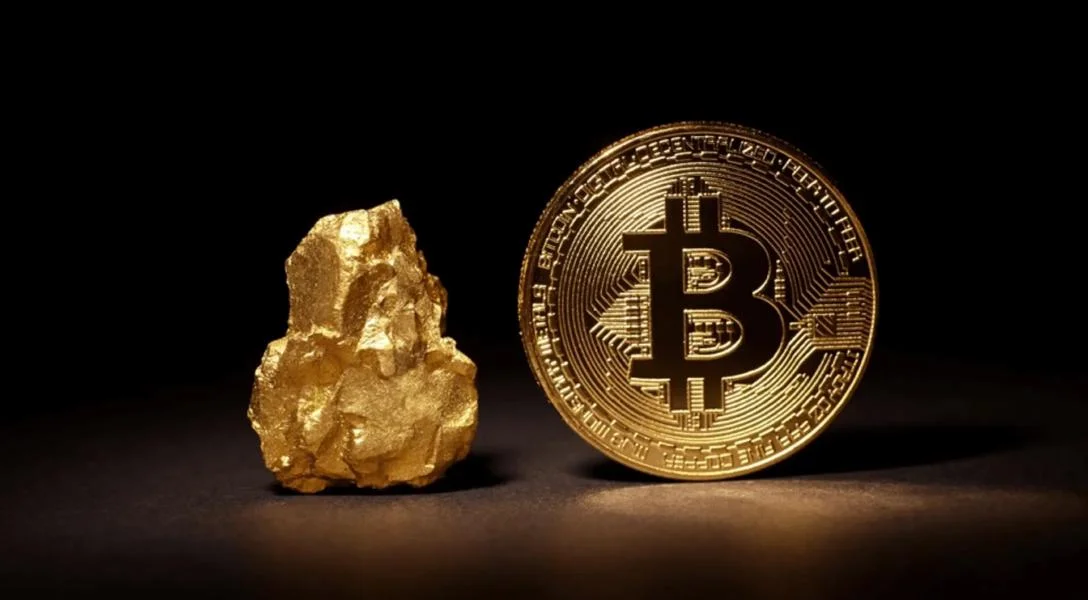
Central banks are reassessing both where they store reserve assets and what they invest in. More are moving gold held overseas back home to bring it under direct control, while a growing number are also examining the potential use of digital assets such as Bitcoin.Bitcoin.com reported on November 21 that OMFIF, the London-based central banking and financial policy forum, published a report on gold reserve strategies based on four meetings held this year. The report said the 2022 freeze of Russia's foreign-exchange reserves underscored that holding assets is not enough. Being able to access them when needed has become just as important.The Dutch central bank moved 86 metric tons of gold held in New York and Canada to London and domestic vaults. The French central bank also transferred 129 metric tons of gold from New York to Paris. One European central bank described the dollar in the report as "not a neutral asset but one that falls within the category of geopolitical risk."Central banks also took a cautious stance on tokenized gold. One European central bank said gold must be an asset that can be directly owned and accessed. It said access to tokenized gold could be blocked because it depends on an issuer or operator. None of the central banks surveyed held or used tokenized gold.Investment in digital assets is still at an early stage, but the scope of review is widening. In OMFIF's survey of 74 central banks this year, 7% said they are considering investment in digital assets. Another 1% said they are already investing. The share planning to increase allocations over the next decade rose to 13% this year from 10% last year.Some have begun pilot programs. The Czech National Bank set up a $1 million test portfolio in November last year made up of Bitcoin, U.S. dollar stablecoins and tokenized deposits. The National Bank of Kazakhstan announced in March this year that it would create a virtual-asset-related portfolio of as much as $350 million using part of its gold and foreign-exchange reserves.Still, interest in digital assets does not mean central banks are ready to adopt Bitcoin as a reserve asset. The report cited Bitcoin's reliance on online infrastructure and its exposure to cyberattack risk as limitations. During this year's Strait of Hormuz crisis, gold and Bitcoin both fell, highlighting uncertainty over the ability of either asset to preserve value in times of stress.