How Did a Bitcoin Miner Hacker Get Paid Without Finding a Single Block?
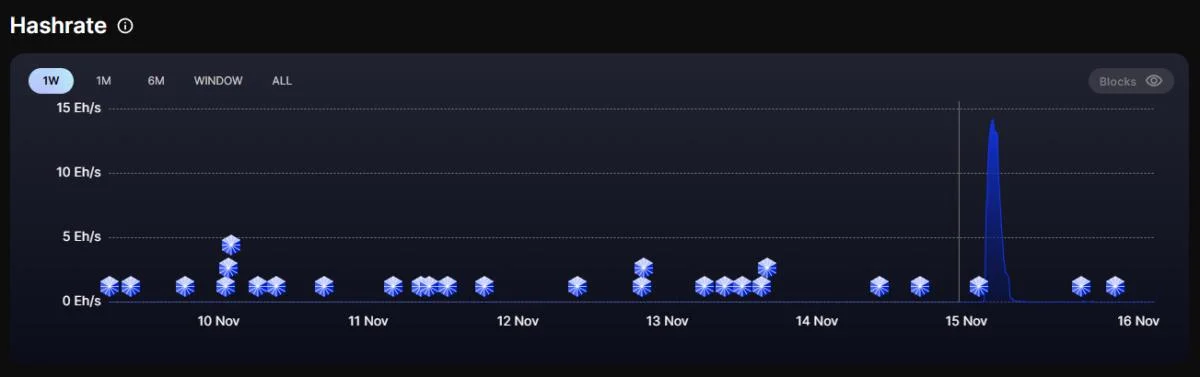
An attacker remotely hijacked Bitcoin mining rigs over the weekend and pointed their hashrate at the OCEAN pool, with payouts going to a single attacker-controlled address. Luxor has confirmed that the Bitcoin miner hack ran through its Commander fleet-management software.Early reports claimed the attacker walked away empty-handed. Former OCEAN co-founder Luke Dashjr now says the opposite.How the Bitcoin Miner Hack UnfoldedCoreX Hosting, a mining hosting firm, first raised the alarm on X. It warned that someone was redirecting miners to OCEAN with one Bitcoin address.CoreX put the damage at about 64,000 machines and roughly 13 EH/s of hashrate. Luxor says “just over a dozen client accounts” were affected.Luxor CEO Nick Hansen said the team patched the flaw quickly and blamed “a sophisticated AI-enabled vector.” The company will fully compensate affected clients, he added, while its pool, LuxOS firmware and customer data stayed safe.OCEAN’s data shows the attacker’s address briefly nearing 14 EH/s before dropping back to almost zero.Ex-Co-Founder Accuses OCEAN of Rewarding the AttackerThe hijacked machines never found a block during the Bitcoin miner hack. However, OCEAN pays miners for their recent work whenever the pool finds a block, even after they leave. When OCEAN later found two blocks, the attacker’s address received payouts worth more than $10,000, OCEAN’s stats page shows. Galaxy head of research Alex Thorn tracked both payouts on-chain.Dashjr, a , left OCEAN in August after a . He claimed the pool planned to send the attacker another $21,400 over the next 24 hours. Those payouts end once the attacker’s shares drop out of OCEAN’s reward window, which Thorn expected about a day and a half after the hijack. OCEAN would also keep nearly $650 in fees from the incident, Dashjr added. Yes, that’s right: OCEAN is profiting from a cyberattack on their own customers, and rewarding the attackers. Luke DashjrWhen a user asked whether a non-custodial pool could do anything, Dashjr said OCEAN could have simply stopped telling its miners to reward the attacker. The news broke early enough to deny the attacker any payout, he argued.Not everyone agrees. One user argued that refusing to block the address shows Bitcoin’s censorship resistance at work, adding that Luxor is making affected miners whole anyway.OCEAN had not publicly addressed the claims at the time of writing.For miners, the Bitcoin miner hack shows that fleet software can become a single point of failure. It also leaves pools with an awkward choice between paying out to anyone automatically and blocking known attackers. That question echoes the debate over filtering Bitcoin transactions and matters more as large pools control a growing share of hashrate.